
Phoenix Housing Shortage: City Approves $15M Plan to Add 59,000 Units
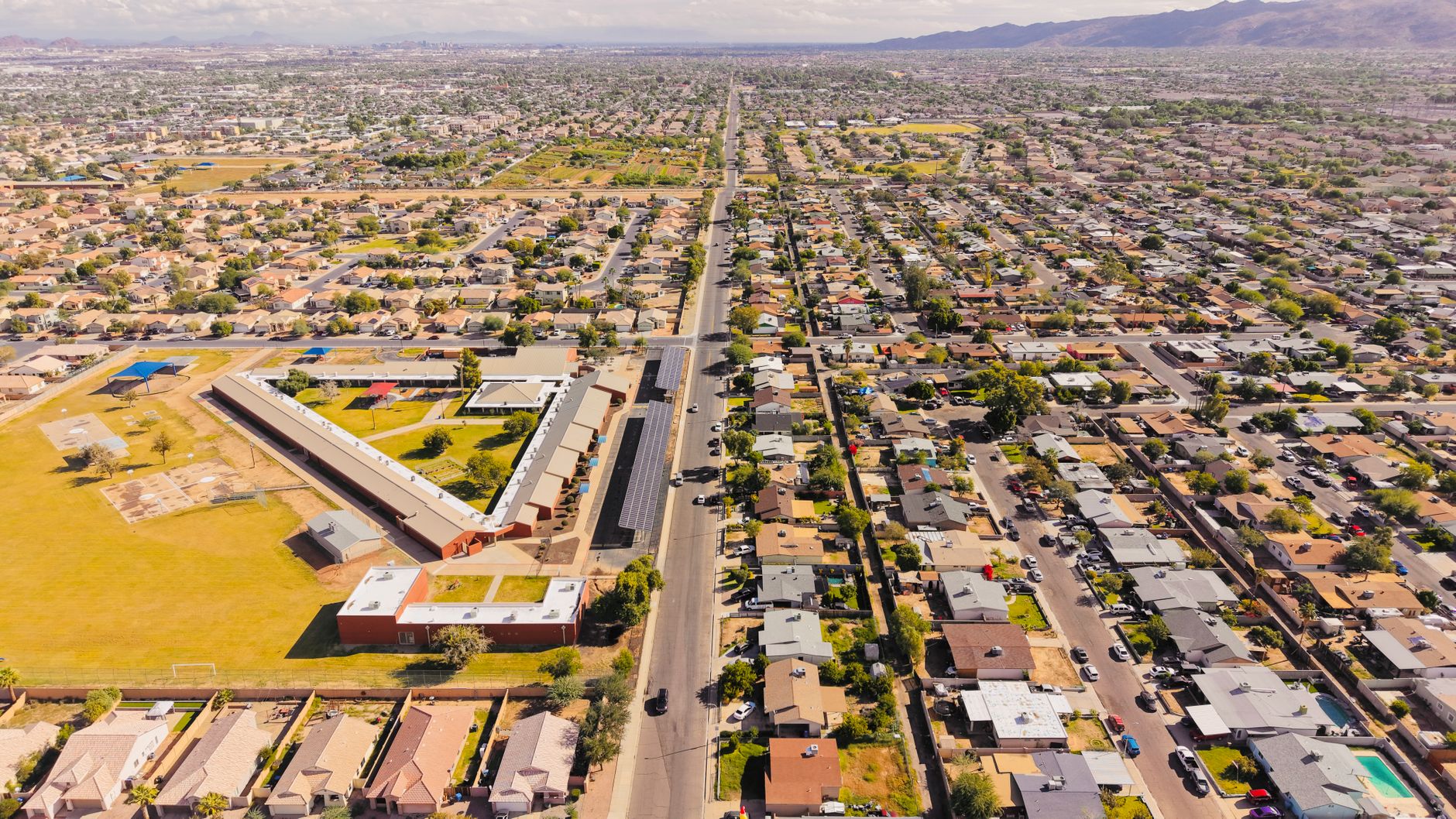
Phoenix just approved a $15 million housing plan to address a critical shortage, and while the focus is Phoenix proper, the ripple effects will reshape how East Valley buyers compete for homes. The city council green-lit gap financing, pre-approved designs, and eviction prevention programs to boost housing supply in a market starved for units.
The Numbers Behind the Crisis
Phoenix officials estimate the city is short 59,000 units of affordable housing. That's not a rounding error. That's a structural crisis. To put it in perspective, Mesa's entire population is around 500,000 people. A shortage of 59,000 units means roughly one in every eight households in Phoenix either can't find a home at their price point or is being pushed further out into the suburbs.
The $15 million allocation breaks down into three strategic buckets: gap financing to bridge the spread between construction costs and what buyers can afford, pre-approved designs to speed up permitting, and eviction prevention to keep people housed while supply catches up. The Phoenix City Council approved this plan, signaling that City Hall finally recognizes this isn't a market problem that will self-correct.
Why East Valley Agents and Buyers Should Care
When Phoenix tightens its housing supply, two things happen: prices rise in the city proper, and buyers who can't compete there migrate east. That's been the pattern for three years. Mesa, Gilbert, and Chandler have absorbed Phoenix's overflow demand, which has kept East Valley appreciation running 1-2% ahead of Phoenix proper.
If Phoenix actually executes this plan and adds meaningful affordable inventory, that pressure valve releases. East Valley prices stabilize. Buyers who might have stretched to buy a 1,200-square-foot home in Mesa at $425,000 now have options in Phoenix at $385,000. That's not catastrophic for East Valley values, but it does mean the appreciation tailwind weakens.
For sellers in Mesa and Gilbert, this is a timing issue. If you're sitting on a home you've owned for five years and you're thinking about listing in 2027, you want to move before Phoenix's new inventory hits the market in earnest. Most gap-financed and pre-approved projects won't deliver units for 18 to 24 months, so the window for East Valley sellers is roughly now through mid-2027.
For buyers, it's the opposite calculus. Patience becomes an asset. If you're not locked into a timeline, waiting six months to see how Phoenix's supply plan unfolds gives you better information about where the market is actually headed.
Gap Financing and Pre-Approved Designs: What They Mean
Gap financing is the tool that makes pencils work on affordable projects. A developer builds a 100-unit complex. The construction and land cost $12 million. Rents or sales prices that the market will bear only cover $10 million of that. The gap is $2 million. Without gap financing, the project doesn't happen. With it, a city or nonprofit fills that hole, and the project gets built.
Pre-approved designs are faster permitting. Instead of each project going through unique design review, Phoenix is pre-approving a set of housing types that meet code and neighborhood standards. Developers can then pull permits faster, which compresses timelines and reduces soft costs. Faster timelines mean lower interest carrying costs, which flows through to lower rents or sale prices.
Both tools are proven. They work. The question is whether $15 million is enough to move the needle on a 59,000-unit deficit. Honestly, it's not. But it's a start, and it signals that Phoenix is taking the problem seriously instead of pretending zoning alone will fix it.
Eviction Prevention: The Stabilizer
The eviction prevention piece is less flashy but arguably more important for East Valley dynamics. When Phoenix prevents evictions, it keeps people housed while new supply comes online. That reduces desperation in the rental market, which keeps rental rates from spiking. When rental rates spike, they drag home prices up with them because buyers are priced out of rentals and forced into ownership.
Eviction prevention is also a political pressure release. It shows renters and housing advocates that the city is doing something tangible right now, not just promising relief in 2028. That matters for retention of working-class households that might otherwise leave the metro entirely.
What This Means for Mesa and Gilbert Homeowners
If you own a home in Mesa or Gilbert, this plan is a modest headwind to appreciation. Not a disaster, but a headwind. The East Valley has been the beneficiary of Phoenix's housing crisis. That crisis is now being addressed, however imperfectly.
For sellers, the takeaway is clear: list sooner rather than later. The next 12 to 18 months are the sweet spot before Phoenix's new units start competing for your buyer pool.
For buyers, the takeaway is equally clear: you don't need to rush. Rates may stay elevated, but supply is coming. More supply means more negotiating power. Wait for better terms or better inventory, or both.
For agents, the message is that market timing is real and data-driven. Phoenix's $15 million plan is a concrete signal that the supply dynamic is shifting. Clients who understand this will make better decisions.
What to do next
- Read the full Phoenix housing plan announcement from KJZZ to understand the full scope of gap financing and eviction prevention tools.
- If you're a seller in Mesa or Gilbert, check your home value and consider listing before Phoenix's new supply hits the market in 2027-2028.
- If you're a buyer, run your affordability numbers and compare East Valley options to what Phoenix is offering. More Phoenix supply means more leverage in your negotiations.
- Book a 15-minute consultation with a licensed Arizona Realtor to discuss how this plan affects your specific timeline and neighborhood.
This is educational content, not legal advice. Consult a licensed Arizona Realtor for your specific situation.
Talk to a Local Agent
Get matched with an agent who knows your target area.