
Maricopa County's Vehicle Emissions Credits: What East Valley Homeowners Need to Know
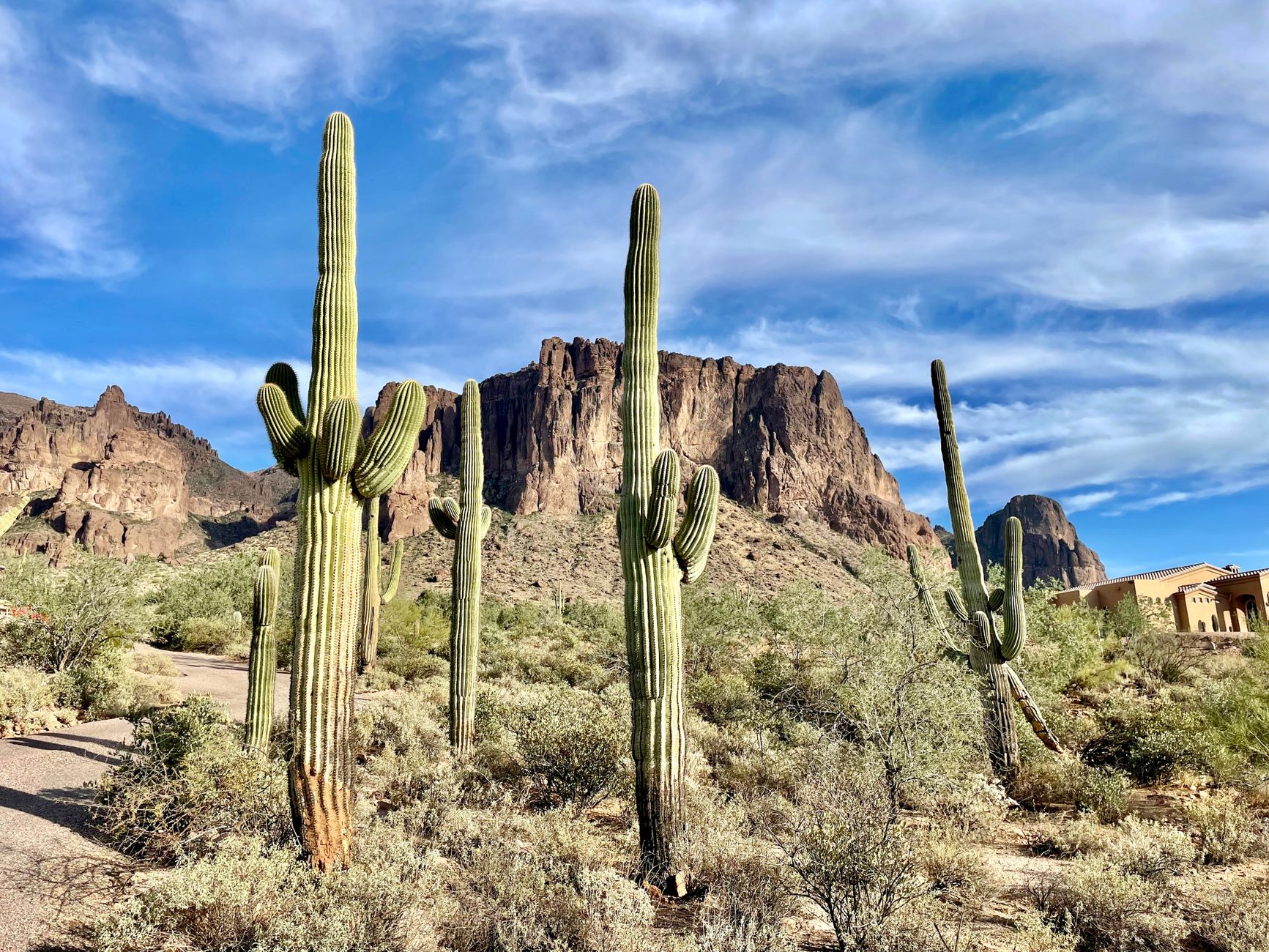
Maricopa County is one step closer to federal approval of two new rules that will give vehicle owners credits when they upgrade or replace high-emission vehicles, and the move could reshape how East Valley residents think about transportation costs and air quality in their neighborhoods. The county submitted its proposal to the EPA and is awaiting final sign-off, but the mechanics are already clear: owners who ditch older, dirtier cars get financial incentives to buy cleaner ones. For Mesa, Gilbert, Chandler, and Queen Creek homeowners, this isn't just environmental news. It's about whether your neighborhood air stays breathable, whether your property values hold steady in a county that's been fighting air quality battles for decades, and whether your kids' school days get canceled less often because of poor air.
Why Maricopa County Is Pushing This Now
The Phoenix metro area sits in a basin. Heat, geography, and 4.9 million people create a perfect storm for smog. The EPA has been pushing Arizona to do more. Maricopa County responded by drafting two separate rules that provide credits for vehicle upgrades and replacements. The first rule targets owners who upgrade their vehicles to meet cleaner emission standards. The second targets owners who replace high-emission vehicles entirely with new or used low-emission models. Both rules are designed to move the needle on NOx and particulate matter, the two pollutants that make Phoenix's summer air orange.
This is not a mandate. It's a carrot. The county isn't forcing anyone to sell their truck. It's making it financially attractive to do so.
How the Credit System Actually Works
The specifics matter here because they determine who benefits and how much. When a vehicle owner upgrades or replaces a high-emission vehicle with one that meets the county's emission standards, they earn credits. Those credits have real dollar value. The county hasn't published a final credit-to-dollar conversion yet, but similar programs in California and Texas have ranged from $500 to $3,000 per vehicle, depending on the vehicle's age and current emissions profile.
The rules apply to light-duty vehicles, medium-duty vehicles, and heavy-duty trucks. This is important for East Valley residents who own construction equipment, HVAC service trucks, or delivery vans. If you're running a home-based business out of a Queen Creek or Gilbert address and you own a 2008 diesel pickup, this rule could put money in your pocket.
Federal approval is pending, but the county has already done the technical legwork. The proposal is in the EPA's queue, and approval typically takes 60 to 90 days once the EPA signs off on the state's air quality plan.
What This Means for Mesa Homeowners and Property Values
Here's the direct link: cleaner air correlates with higher property values. A Stanford study from 2019 found that a one-unit improvement in the EPA's Air Quality Index added 0.2% to 0.4% to home values in metro areas. For a $400,000 home in Mesa, that's $800 to $1,600. Multiply that across thousands of households if the county successfully reduces emissions, and you're talking about meaningful wealth creation.
But there's a second angle. School closures due to air quality drive families out of neighborhoods. When the EPA issues an air quality alert and the Gilbert Unified or Mesa Unified school districts cancel outdoor activities or keep kids inside, parents get frustrated. Some sell and move to cooler, cleaner air in Flagstaff or Prescott. Over time, that migration pressure weakens demand in the East Valley. Anything that improves air quality reduces that pressure.
The vehicle emissions credits program won't fix the basin's air overnight. But it's a signal that the county is serious, and it's one of the few tools the county can deploy without raising taxes or imposing hard restrictions on development.
When Will This Actually Launch?
The EPA's approval timeline is critical. Once the agency signs off, the county will need to set up a credit registry, establish verification protocols, and coordinate with vehicle dealers and fleet operators. Expect a 6 to 12-month implementation window after federal approval. That means if approval comes in early 2027, the program could be live by mid-2027 or early 2028.
In the meantime, vehicle owners don't need to do anything. The county will announce enrollment details once the EPA approves the rules. If you own a high-emission vehicle and you're considering an upgrade anyway, it's worth waiting to see what the credit value actually is. The difference between a $500 credit and a $3,000 credit is real money.
The Bigger Picture: Air Quality and East Valley Growth
Mesa and the East Valley have absorbed massive growth over the past decade. Population in Chandler, Gilbert, and Queen Creek has grown 30% to 40% since 2015. More people means more cars, more trucks, and more pressure on air quality. Without intervention, the EPA could reclassify the Phoenix metro area as "nonattainment" for ozone, which would trigger stricter building codes, higher compliance costs for businesses, and potential restrictions on new development.
The emissions credits program is the county's way of saying: we can grow and still breathe. It's not perfect, and it won't solve the problem alone. But it's a tool.
What to do next
-
Check the EPA's Arizona air quality plan tracker to monitor when federal approval is finalized. Approval announcements typically come in the fall or winter.
-
If you own a high-emission vehicle and you've been considering an upgrade, contact your local dealer and ask whether they're tracking the county's credit program. Some dealers may offer pre-approval estimates once the rules go live.
-
For sellers in Mesa, Gilbert, or Chandler: air quality improvements are a long-term value driver. If you're marketing a home, highlighting proximity to green space and the county's commitment to cleaner air is a legitimate selling point. Use MesaHomes.com's home value tool to see how your neighborhood's values have trended and position your listing accordingly.
-
If you're a business owner with a fleet, book a consultation with a licensed Arizona Realtor who understands commercial real estate. Fleet-based businesses may qualify for accelerated credits, and that could affect your operating costs and your company's location strategy in the East Valley.
This is educational content, not legal advice. Consult a licensed Arizona Realtor or environmental compliance specialist for your specific situation.
Talk to a Local Agent
Get matched with an agent who knows your target area.