
Glendale's 160-Acre Data Center Approved—What It Means for East Valley Power & Property
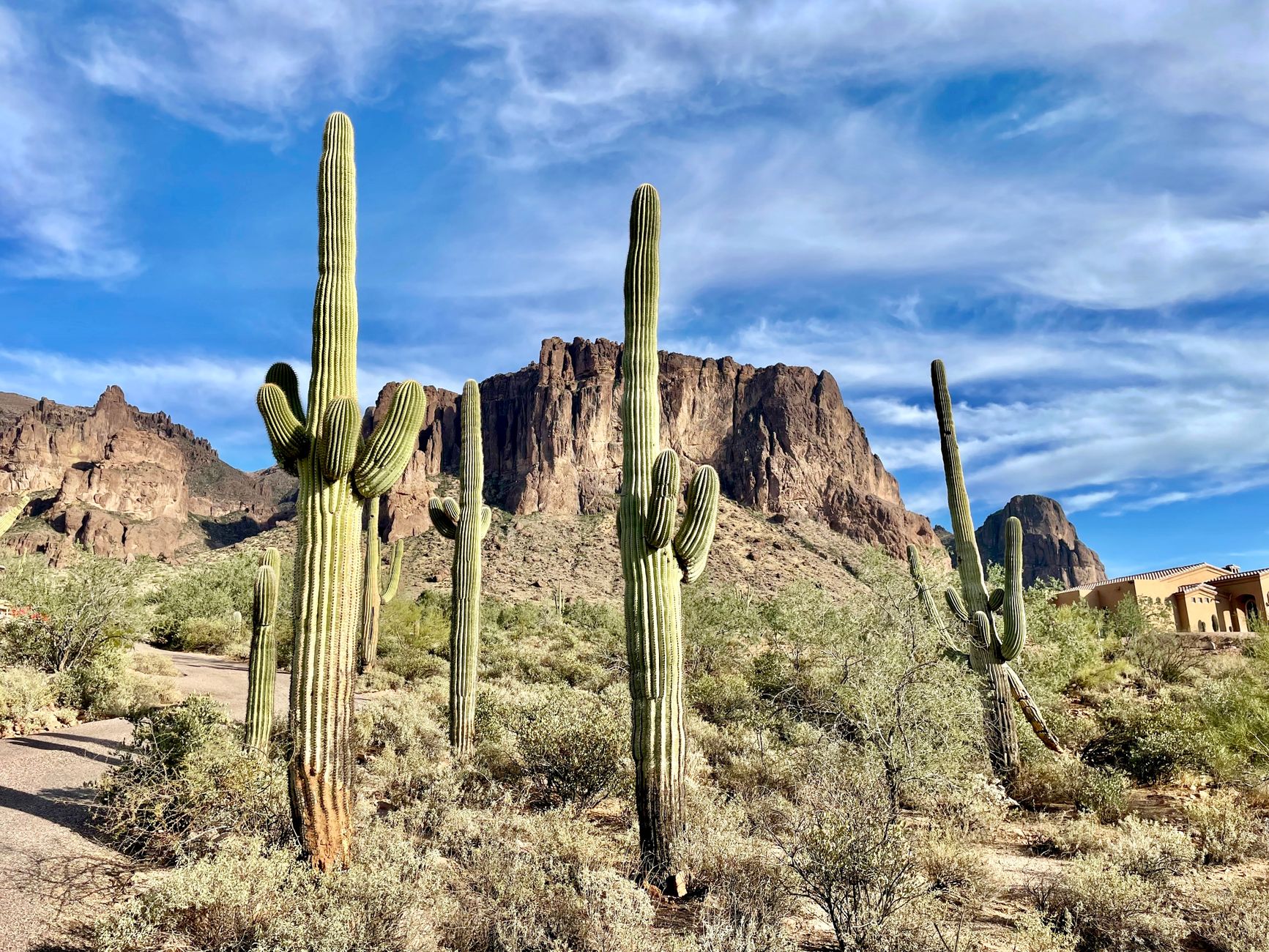
Glendale just approved a 160-acre data center megaproject that will house three separate facilities, 18 natural gas turbines, and an APS substation, and it signals something Mesa and Gilbert homeowners need to understand about the region's power and water future.
This isn't just another industrial approval happening on the west side. Project Eagle was approved by Glendale and it represents the largest infrastructure commitment to AI and cloud computing capacity in the Phoenix metro in years. The turbines alone tell you how much power these facilities will pull. That matters because the East Valley sits downstream of Glendale on the same power grid, and infrastructure decisions made 30 miles west directly affect property values, utility costs, and long-term livability here.
Why This Matters More Than You Think
Data centers are not like office parks or warehouses. They run 24/7 at maximum draw. A single modern data center can consume as much electricity as a city of 50,000 people. Three of them, plus 18 turbines for backup power, means Glendale is betting hard on becoming a regional power hub for AI compute.
The turbines are the tell. Natural gas turbines exist because the grid alone cannot guarantee the uptime these facilities need. When you need that level of redundancy, you're talking about infrastructure that will operate for decades. That's permanent demand on the regional power system.
For Mesa and Gilbert homeowners, this translates to two competing pressures. On one hand, data center projects create construction jobs and tax revenue that can flow to schools and infrastructure. On the other hand, they increase baseline power demand across the entire valley. If APS and other regional utilities haven't built generation and transmission capacity to match, you get grid stress, rolling brownouts, and higher rates.
The Water Question Nobody's Asking Yet
Data centers need water for cooling. A lot of it. The Phoenix metro is already in a water stress situation—Arizona's water supply has been a critical concern for East Valley homeowners, with competing demands from agriculture, municipal use, and now industrial cooling loads.
Glendale's approval included an APS substation, which suggests the city worked with the utility on power delivery. But public records don't yet show whether water demand was fully modeled. This is worth watching. If Project Eagle pulls significant groundwater or surface water, that affects the entire region's water table and, eventually, your property's long-term value and utility costs.
What This Means for East Valley Homeowners
If you own in Mesa or Gilbert, here's the practical impact:
Utility costs may rise. Regional power demand increases put upward pressure on rates. APS will need to recover the cost of grid upgrades to handle this load. Your bill doesn't go up overnight, but over 5-10 years, expect 2-3% annual increases beyond normal inflation.
Construction and traffic during build-out. Project Eagle is 160 acres. Site prep, foundation work, and equipment delivery will run 18-24 months minimum. If you live near the I-10 or major corridors between Glendale and the project site, expect increased truck traffic.
Long-term property value stability. This is a mixed signal. Data center projects bring tax revenue and jobs, which support home values. But they also increase infrastructure strain. Properties closer to power transmission corridors may see modest pressure if residents worry about electromagnetic fields or noise from substations. Properties farther away, in established residential neighborhoods like Mesa's Dobson Ranch or Gilbert's Higley Ranch, likely benefit from the tax revenue without the proximity downsides.
Water availability questions. If Project Eagle's cooling loads strain the regional water supply, expect more conversation about water rights, agricultural buyouts, and potentially higher water rates. This is a 20-30 year consideration, but it's real.
The Bigger Picture: Arizona's AI Infrastructure Play
Project Eagle isn't an accident. Arizona has been positioning itself as a data center hub for years. Lower land costs than California, available power (historically), and proximity to major metro areas make Phoenix attractive. But Glendale's approval shows the state is now betting big on AI compute as an economic driver.
That's good for job creation and tax base. It's also a bet that Arizona's utilities can scale infrastructure fast enough to meet demand. So far, the track record is mixed. The state has added generation capacity, but peak demand keeps rising faster than supply.
What to Do Next
If you own property in Mesa or Gilbert, or you're considering buying, take these concrete steps:
-
Check your property's proximity to power transmission corridors. Visit Maricopa County parcel records and cross-reference your address with APS transmission maps (available on the APS website). Properties within 0.5 miles of major transmission lines may see future rate impacts or easement activity.
-
Review your utility history. Pull your last 3 years of APS or SRP bills and chart the per-kWh rate trend. If rates have been climbing 3%+ annually, expect that to continue as regional demand grows. Use this data to model long-term ownership costs.
-
If you're selling in the next 2 years, act now. Buyer concern about utility costs and water availability is growing. Selling before these conversations become mainstream pricing pressure makes sense. Visit MesaHomes.com/listing/start to list at a flat fee and capture that window.
-
If you're buying, ask your agent about long-term utility trends in your target neighborhood. Some Mesa ZIP codes have older infrastructure that may see upgrade costs passed to residents sooner than others. Data centers amplify that risk. Get specifics, not generalities.
This is educational content, not legal advice. Consult a licensed Arizona Realtor for your specific situation.
Talk to a Local Agent
Get matched with an agent who knows your target area.