
Gen Z's Housing Crisis Reshapes 2026 Elections—What Mesa Agents Must Know
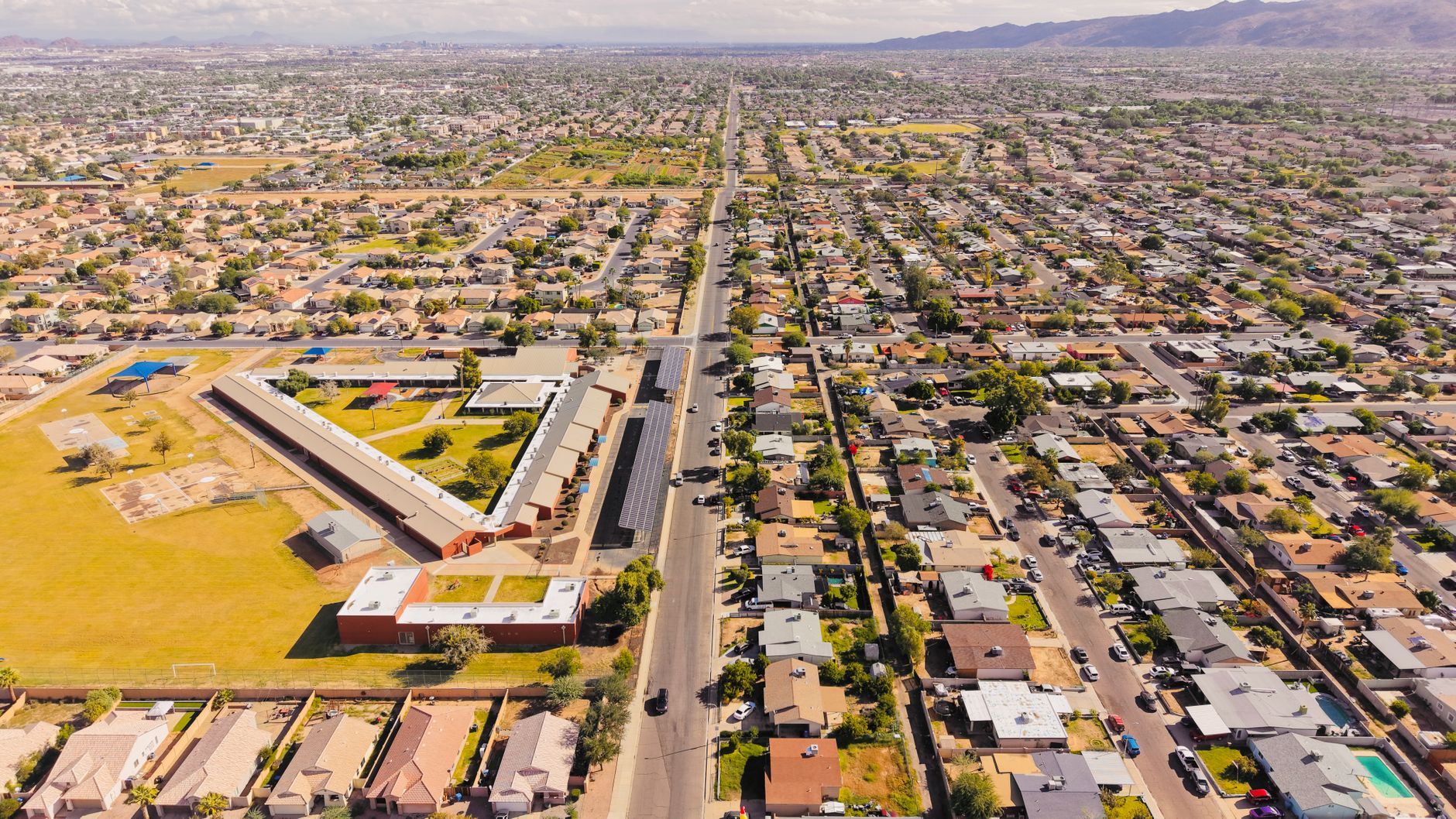
Housing affordability just became the defining political issue for an entire generation, and that shift is about to reshape the East Valley market in ways most agents aren't prepared for.
Gen Z sees housing affordability as the No. 1 issue this midterm election season, according to Realtor.com's latest analysis. This isn't a minor policy concern anymore. It's the issue that matters most to the youngest voters heading into 2026, and that's going to ripple through local politics, zoning decisions, and ultimately, property values across Mesa, Gilbert, and Chandler.
If you're selling homes to first-time buyers or working with young families in the East Valley, you need to understand what's actually driving this frustration and why it's about to become a centerpiece of every local election conversation.
Why Gen Z Is Making Housing the Election Issue
Gen Z voters aren't just complaining about prices. They're voting on it. The fact that housing affordability ranks as the single most important issue for this demographic—ahead of inflation, healthcare, and other traditional election drivers—means politicians are going to have to respond with actual policy changes, not just rhetoric.
For the East Valley, that matters because our market has been relatively insulated from the most extreme affordability crises hitting coastal metros. But we're not immune. Young buyers in Mesa and Gilbert are still facing monthly payments that consume 35-40% of household income, and that's driving them either out of state or into longer commutes into Queen Creek and San Tan Valley.
The political pressure is building. When Gen Z voters make something their top issue, local candidates start proposing zoning reforms, density incentives, and expedited permitting. That's already happening in pockets of the Phoenix area, and Mesa's city council is paying attention.
What This Means for Mesa Homeowners and Agents
Three concrete shifts are coming:
First, expect zoning changes. When affordability becomes a voting issue, cities start rezoning single-family neighborhoods to allow duplexes, ADUs, and missing middle housing. Mesa's already got the infrastructure to support this. The question isn't if it happens, but how fast. Agents working in established neighborhoods like Dobson Ranch and Superstition Springs should be prepared to explain how density changes affect long-term property values. The honest answer: it's mixed. Increased supply can stabilize prices for buyers, but it can also reduce the premium on single-family detached homes.
Second, watch for first-time buyer programs. If Gen Z is voting on affordability, expect municipal down-payment assistance programs, tax incentives for starter homes, and pressure on developers to include affordable units in new subdivisions. Gilbert and Chandler have already experimented with these. Mesa will follow. That means more buyer demand in the $300K-$400K range, which is good news for inventory movement but bad news for sellers expecting peak pricing.
Third, mortgage rates and lending policy will become political. The coming week will feature new reports from the Realtor.com economics team, as well as key indicators for the housing market, and those reports are going to get heavy media coverage as we move into the 2026 cycle. Expect federal lending standards to loosen slightly as politicians feel pressure to expand homeownership. That means easier qualification for FHA loans and potentially more aggressive lending in the subprime space. For agents, that's opportunity—more qualified buyers—but also risk. You'll see more loan denials at closing if underwriting tightens again post-election.
The Real Issue: Supply vs. Demand
Here's what most articles about Gen Z affordability miss: the problem isn't just prices. It's that there aren't enough homes for sale at any price point that young people can actually afford. Mesa has 85,000+ residents, but we're not building enough entry-level inventory. The Gateway corridor is getting warehouses and office parks, not starter homes.
When Gen Z voters rank affordability as their top issue, they're not just asking for lower prices. They're asking for more homes, period. That means developers are going to face political pressure to build smaller units, narrower lots, and less expensive finishes. We're already seeing this in Tempe and Scottsdale. Mesa's next.
For sellers, this is a warning: if you're holding a $500K+ home in an area where the median is $425K, you're betting against the political momentum. The market is shifting toward affordability, not away from it.
What to Do Next
If you're an agent working in Mesa or the East Valley, three concrete actions matter right now:
-
Read the full Realtor.com analysis on Gen Z voters and housing affordability to understand the specific policy proposals gaining traction. Gen Z sees housing affordability as the No. 1 issue this midterm election season breaks down what's actually driving this shift and what candidates are proposing.
-
Monitor Mesa City Council zoning meetings through November 2026. If affordability becomes a voting issue, your city council will start proposing density incentives and ADU reforms. Track those proposals now so you can advise sellers on long-term neighborhood changes. Check the Mesa city website for planning and zoning agendas.
-
Adjust your buyer consultation process. If Gen Z is your target market, you need to be fluent in down-payment assistance programs, FHA lending changes, and first-time buyer incentives. Use MesaHomes' affordability calculator to show buyers exactly what they can qualify for under current lending standards, and position yourself as the agent who understands the programs that actually work for young families.
The 2026 election is going to be about housing. That's not a prediction—it's already happening. The agents who understand why are going to win the deals.
This is educational content, not legal advice. Consult a licensed Arizona Realtor for your specific situation.
Talk to a Local Agent
Get matched with an agent who knows your target area.