
Reverse Mortgage Market Shifts: What Mesa Seniors Should Know
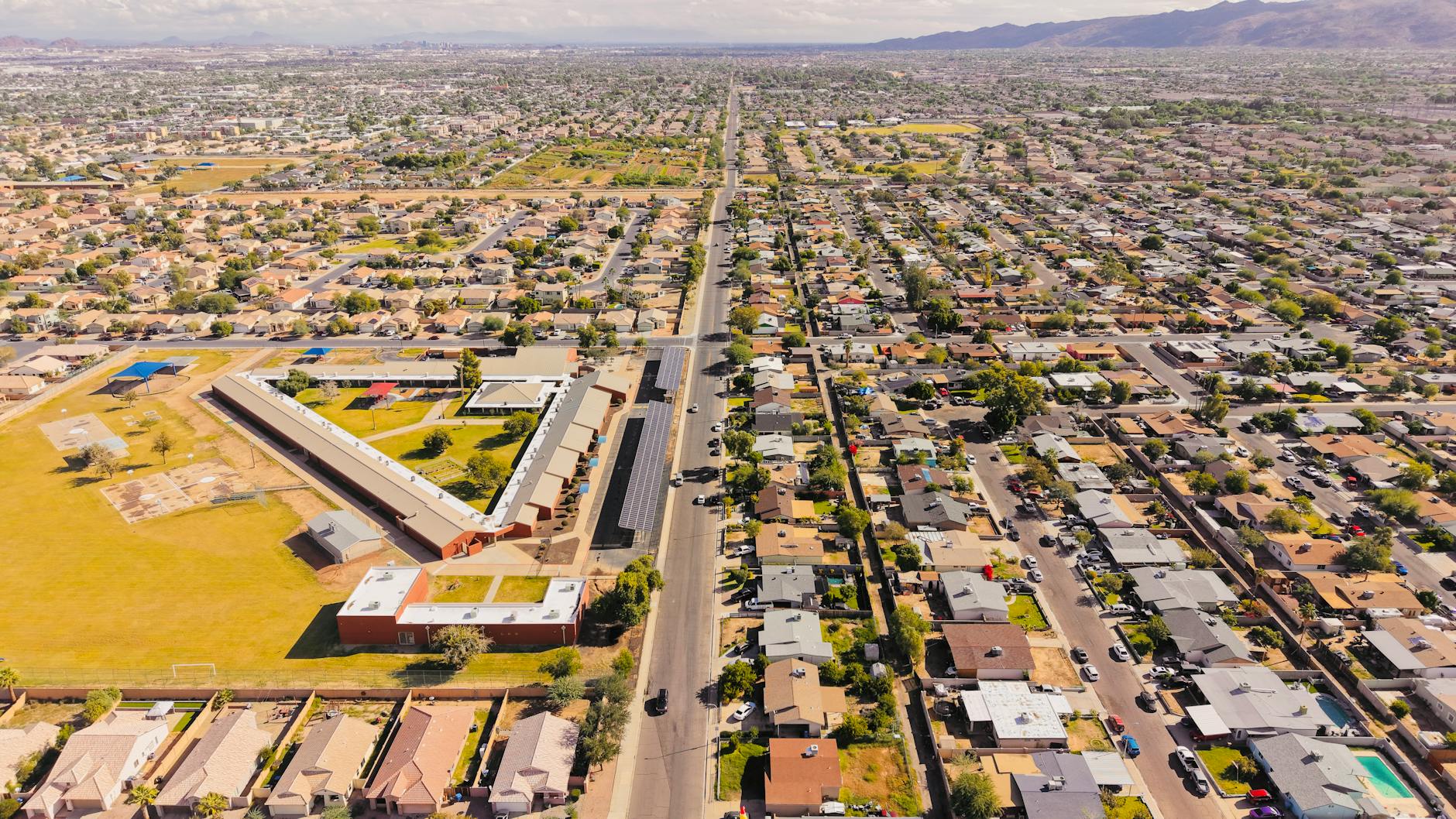
If you're a Mesa homeowner over 62 thinking about a reverse mortgage, the lending landscape just got more complicated. The secondary market for reverse mortgages is undergoing significant shifts driven by private securitization, and that's affecting availability and terms for borrowers across Arizona right now.
This matters because reverse mortgages have traditionally been a straightforward way for older homeowners to tap home equity without selling. But when the secondary market that funds these loans gets shaky, you end up with fewer lenders willing to write them, higher rates, or stricter qualification requirements. That's not theoretical anymore.
What's Actually Changing
Reverse mortgages are funded through a secondary market where originators sell loans to investors. For years, government-backed securities (Ginnie Mae pools) dominated that market. Now, private securitization is taking a bigger slice, and according to industry analysis, that shift leaves the market vulnerable to sudden changes in investor appetite. When investors get nervous about economic conditions or interest rates, they can pull back fast. That ripple hits borrowers.
The consolidation happening at the top of the mortgage industry compounds this. Major players like UWM are aggressively reshaping the market through acquisitions, which means fewer independent lenders and less competition on rates. Fewer competitors usually means less favorable terms for you.
What This Means for Mesa Homeowners
If you're sitting on a paid-off home or have substantial equity in Mesa, you've got options. But the window for favorable terms might be narrowing. Here's what's actually happening:
Rates are less predictable. Reverse mortgage rates used to track the SOFR index pretty reliably. Now, with private securitization playing a bigger role, lenders have more pricing flexibility. That means two lenders quoting you on the same day might offer different rates based on their own secondary market access. Shop around, but understand that the spread between quotes might be wider than it used to be.
Availability is tightening. As consolidation accelerates and private securitization dominates, some smaller lenders are exiting the reverse mortgage business entirely. In the East Valley, this means fewer local lenders willing to originate, and you're more likely dealing with national shops with less local knowledge of Mesa's market.
Qualification requirements are getting stricter. When secondary market investors get cautious, originators tighten underwriting. If you've got a recent bankruptcy, significant medical debt, or property tax payment issues, you'll face more scrutiny now than you would have two years ago.
The Securitization Risk You Should Understand
Private securitization isn't inherently bad. It brings capital into the reverse mortgage market that Ginnie Mae alone can't provide. But it's also cyclical. When credit markets tighten, private investors pull back. That happened in 2008, 2020, and it can happen again. If you're locking in a reverse mortgage now, you're locking in a rate that reflects current market conditions. If securitization demand dries up in six months, that doesn't affect your existing loan, but it might affect your neighbor's ability to get one.
The real risk is availability, not your own terms. Once you've closed, you're done. But if you're thinking about a reverse mortgage and waiting for rates to drop, understand that rates might not be the constraint. Lender availability might be.
Who Should Still Consider This
Reverse mortgages still make sense for specific Mesa homeowners:
You're over 62, own your home free and clear or nearly so, and you want to stay in it long-term. You don't have heirs who depend on inheriting the home. You're comfortable with a loan balance that grows over time. You want to avoid selling in a market that feels uncertain.
They don't make sense if you're planning to move in five years, you want to leave equity to your kids, or you're just trying to time the market. A reverse mortgage is a long-term housing strategy, not a short-term rate play.
What to Do Next
If you're considering a reverse mortgage in Mesa, don't wait for rates to drop. The variable here isn't rates anymore, it's lender availability. Here's your action plan:
-
Get quotes from at least three lenders right now. One national shop, one regional, and one local if you can find one. Compare not just rates but origination fees and closing costs. The secondary market dynamics mean quotes might vary more than usual.
-
Understand your specific property's value. Mesa home values have stayed relatively stable in 2026, but reverse mortgage payouts are tied to your home's current appraised value. Use the MesaHomes home value tool to get a baseline estimate, then discuss with your lender how that translates to available equity.
-
Read the secondary market analysis from HousingWire. The interview with Longbridge's Tim Wilkinson explains the securitization shift in plain English. Understanding what's driving lender behavior helps you negotiate better terms.
-
Consult a licensed Arizona Realtor or reverse mortgage counselor before closing. This isn't a decision to make online. Book a 15-minute consultation with someone who understands Mesa's market and can walk through your specific situation.
The reverse mortgage market isn't broken, but it's shifting. If you're over 62 and thinking about tapping your home equity, act now while lender competition is still active. In six months, the landscape might look very different.
This is educational content, not legal advice. Reverse mortgages involve complex financial instruments and tax implications. Consult a licensed Arizona Realtor, a HUD-certified reverse mortgage counselor, and a tax professional before proceeding. MesaHomes.com does not originate reverse mortgages or provide financial advice.
Talk to a Local Agent
Get matched with an agent who knows your target area.