
Why Your East Valley Mortgage Got Safer (And What Changed)
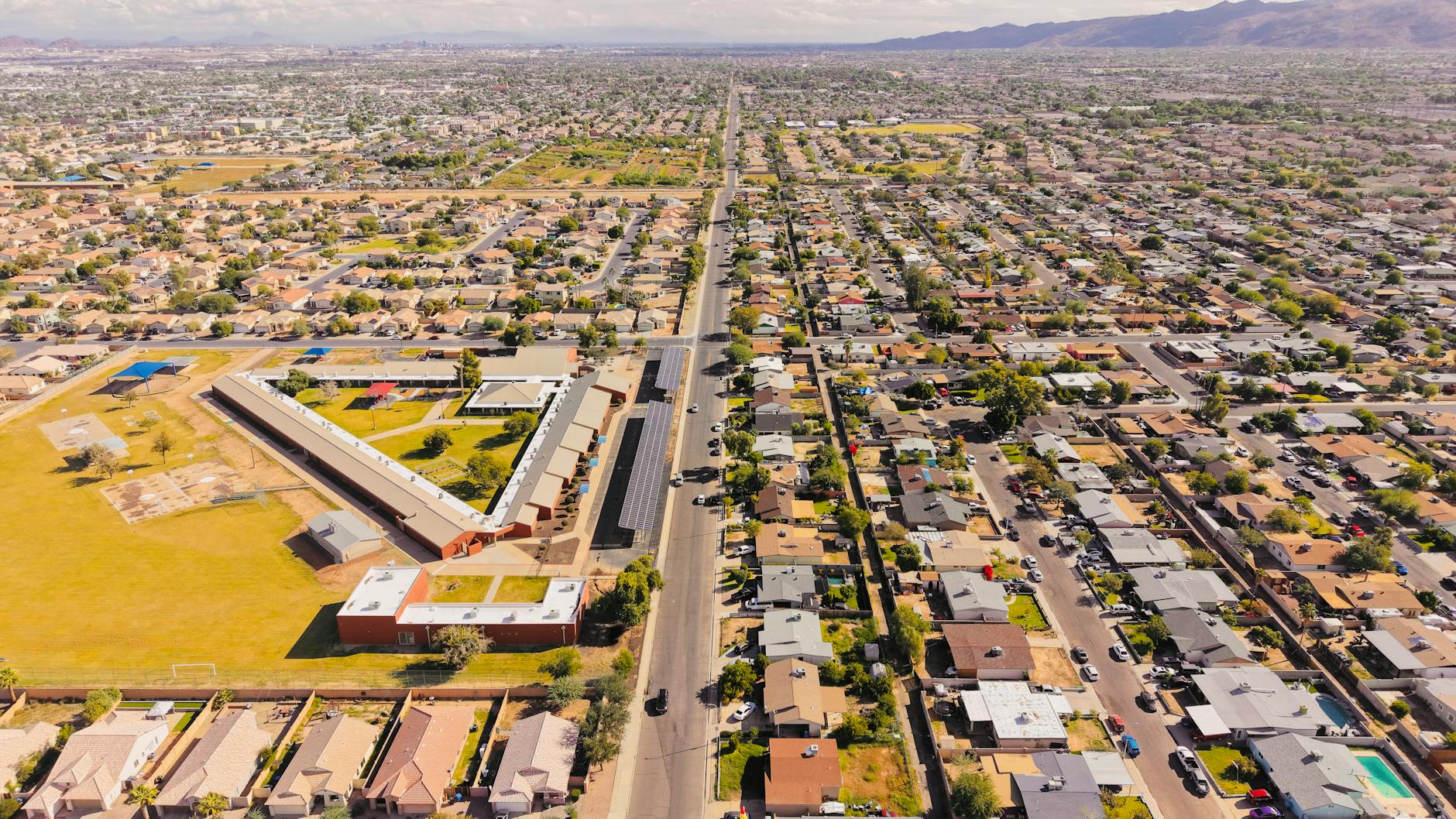
If you bought a house in Mesa in 2005, your lender probably let you borrow more than you could actually afford. If you bought in 2025, that can't happen anymore. That's not luck. That's law.
The housing crash of 2008 wiped out trillions in wealth and sent foreclosures through the roof across the East Valley and everywhere else. Congress and regulators spent the next decade making sure it couldn't happen the same way twice. The result is a lending system that looks almost unrecognizable compared to the pre-crash era, and it directly affects the mortgage you can get today in Mesa, Chandler, Gilbert, and Queen Creek.
What Actually Changed After 2008
The 2008 collapse wasn't a mystery. Lenders were handing out mortgages to people with no income verification, no down payment, and adjustable rates that started low and then exploded. Borrowers got underwater. They walked away. The whole system seized up.
Housing credit changed after 2005 bankruptcy reform and the qualified mortgage rule, limiting leverage and curbing ARM-era risk. The qualified mortgage (QM) rule, enacted in 2014, essentially says lenders have to verify that you can actually pay back what you borrow. That sounds obvious now, but it wasn't the standard before.
Here's what that means in practice: Your lender now has to document your income. They check your debt-to-income ratio. They verify your assets. They won't give you an ARM that starts at 2% and jumps to 8% in year three. The days of stated-income loans, ninja mortgages (no income, no job, no assets), and teaser rates are gone.
Why a 2008-Style Crash Is Structurally Off the Table
The regulatory framework now makes it extremely hard for a housing market to inflate the way it did in the 2000s. Lenders have skin in the game through qualified mortgage standards. Borrowers have to prove they can pay. Appraisals are independent. Interest rates adjust slowly or not at all.
That doesn't mean the market can't cool, prices can't dip, or a recession can't hit the East Valley. It means the specific mechanics of 2008—mass default cascades triggered by impossible-to-pay mortgages—are structurally blocked.
What This Means for Mesa Homebuyers Right Now
If you're shopping for a home in Mesa or Gilbert, the mortgage you qualify for is more realistic than it would have been 20 years ago. Your lender won't give you $400,000 if you make $50,000 a year. They'll give you what the math actually supports.
That has two sides. On one hand, you're protected from borrowing yourself into foreclosure. On the other hand, if you were hoping to stretch your budget, you'll hit the ceiling faster. The lending environment is more conservative by design.
For sellers, this matters too. The buyer pool is smaller because fewer people can qualify for outsized mortgages. That doesn't mean homes don't sell—the East Valley is still growing—but it means prices are tethered to actual buyer income, not speculation and leverage.
The Flip Side: You Still Need to Qualify
Safer lending standards don't mean lending is easy. If you have spotty credit, high debt, or irregular income, you'll struggle to get approved even in a market with low rates. The bar is higher than it was in 2005, but it's also higher than it was in 2010. Regulators found a middle ground.
If you're a first-time buyer in Mesa or Queen Creek, getting pre-approved before you start house hunting is non-negotiable. You need to know what you can actually borrow, not what you hope to borrow.
The Bigger Picture for East Valley Property Values
Stable lending rules support stable property values. When mortgages are rational, prices don't spike on speculation and then crater. They move with fundamentals: supply, demand, local job growth, school quality.
The East Valley has been one of the fastest-growing regions in Arizona for the past five years. That growth is real, driven by people relocating for jobs and families, not by investors flipping with cash-out refis. The lending environment supports that kind of organic growth. It doesn't support the boom-bust cycle of 2000-2008.
That's good for long-term homeowners. Bad for people who thought they could flip properties every 18 months.
What to do next
-
Get pre-approved. If you're thinking about buying in Mesa or Gilbert this year, contact a lender and get a pre-approval letter. You'll learn exactly what you qualify for under current lending standards, and you'll be ready to move when you find the right property. Book a 15-minute consultation with a licensed Arizona Realtor to discuss your timeline and local market conditions.
-
Check your debt-to-income ratio. Use a mortgage affordability calculator to see what price range you fit into based on your income and existing debt. MesaHomes.com has a free affordability tool that walks you through the math.
-
Read the qualified mortgage rule. If you want to understand the specific lending protections now in place, HousingWire's explainer on why a 2008 crash can't happen again breaks down the regulatory changes in plain language.
This is educational content, not legal advice. Consult a licensed Arizona Realtor for your specific situation.
Sources
Talk to a Local Agent
Get matched with an agent who knows your target area.