
Mesa Gateway's Air Traffic Control Just Went Federal—Here's What Changes
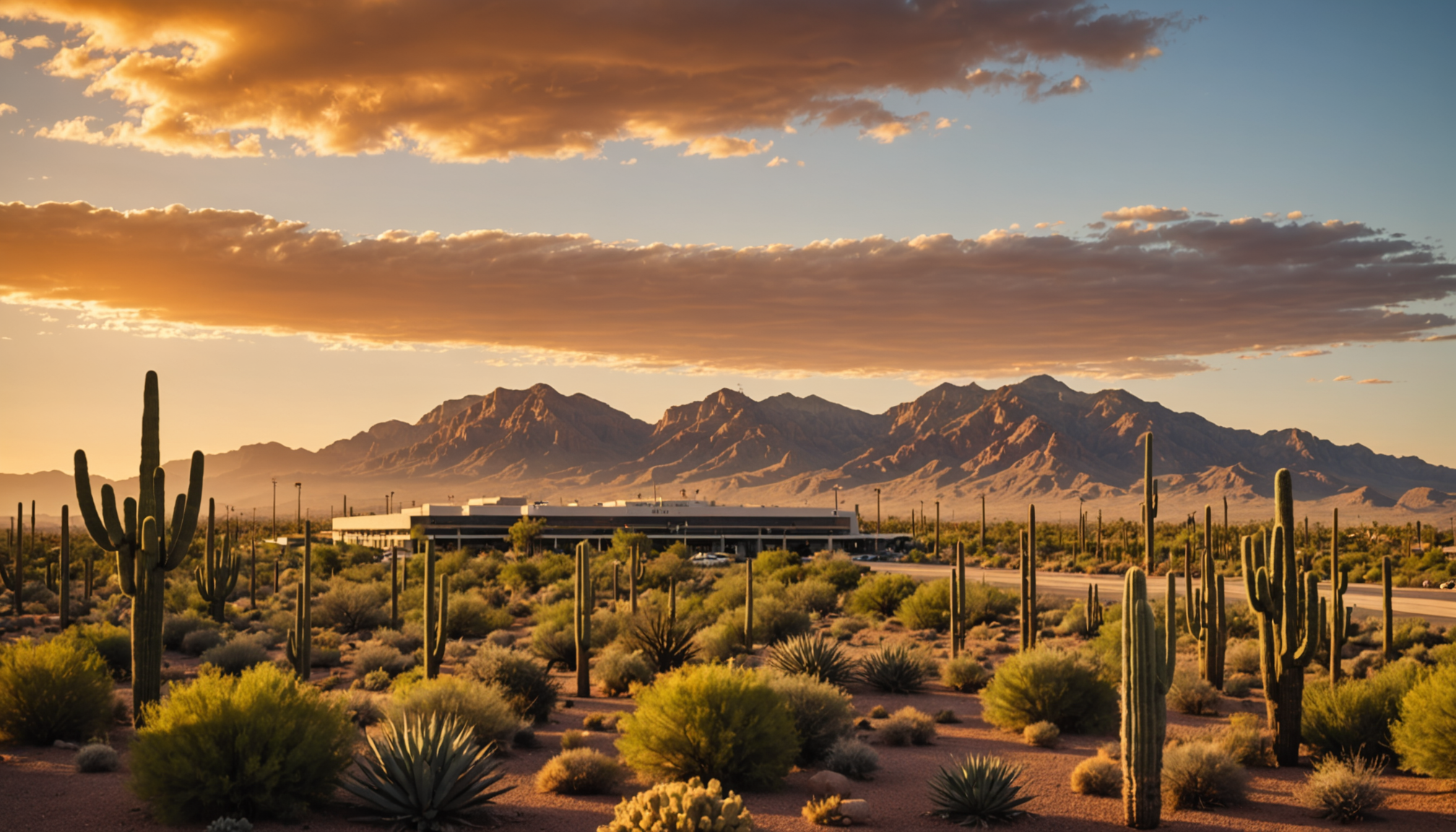
Mesa Gateway Airport just handed over its air traffic control tower to the Federal Aviation Administration, ending decades of contract management. This isn't a small administrative shuffle. Mesa Gateway is the busiest contract tower in the United States, and the transition to direct FAA oversight addresses a real staffing problem that has plagued the facility for years.
Here's why this matters to you if you're buying, selling, or developing anywhere in the East Valley.
The Problem: Controllers Kept Leaving
Mesa Gateway's contract tower model worked for decades, but it had a fatal flaw. The facility would train experienced air traffic controllers, only to lose them to the FAA, which offered better pay and job security. Turnover was constant. A contract tower operator can't compete with federal benefits and a federal paycheck. So Mesa Gateway cycled through staff, which meant inconsistent service and constant training overhead.
That's not just an operational headache. For a facility handling the volume Mesa Gateway does, staffing instability translates to delays, safety risks, and uncertainty for the businesses and pilots depending on the airport.
What Changes Now
Under FAA management, controllers become federal employees with federal compensation and federal job protections. The transition to direct FAA oversight could help provide staffing consistency. That means Mesa Gateway should finally be able to hold onto trained staff instead of watching them walk to the FAA.
Stability matters. When your air traffic control tower isn't constantly training replacements, you get better service, faster clearances, and fewer delays. That's good for every pilot and every charter operation using the facility.
What This Means for Mesa Homeowners and Buyers
If you own property near Mesa Gateway or you're considering buying in the Williams Field or Signal Butte corridor, this change is quietly positive. The airport has been a constraint on development in that area for years, partly because of uncertainty around operations and capacity. Better staffing and more reliable operations make the airport a more attractive anchor for commercial and industrial development.
Mesa Gateway sits at the center of what's becoming the East Valley's logistics and aerospace hub. Companies that depend on the airport—charter operators, maintenance facilities, freight handlers—are more likely to invest long-term if they know the tower is stable. That drives demand for nearby industrial land, which drives property values in the Williams Field and Signal Butte area.
For residential buyers, the benefit is less direct but real. A well-run airport with consistent operations is less likely to face service disruptions that could trigger noise complaints or operational restrictions. Stability is boring, but boring is what you want from infrastructure.
The Bigger Picture: Gateway Corridor Development
Mesa Gateway isn't just an airport. It's become a regional asset. The facility handles cargo, charter flights, maintenance, and general aviation traffic that would otherwise go to Sky Harbor or Goodyear. As the East Valley grows, that traffic is only increasing.
The FAA transition signals confidence in the airport's future. Federal management usually means federal investment and federal oversight, both of which tend to support long-term infrastructure planning. Developers looking at the Williams Field and Signal Butte area now have more certainty that the airport will be a stable, reliable neighbor for the next 10 or 20 years.
That's the kind of certainty that turns speculative land into shovel-ready projects.
What to Do Next
If you're a seller or buyer in the Williams Field, Signal Butte, or Gateway Airport corridor, this is worth understanding. The transition to FAA management removes a major operational uncertainty that has hung over development in that area for years.
-
Check the FAA's official announcement. Visit the FAA's public notice on Mesa Gateway to understand the timeline and what services change.
-
Review your property's proximity to the airport. If you own or are buying near Williams Field and Signal Butte, use MesaHomes' area guides to understand how airport operations affect your specific neighborhood.
-
Talk to a local Realtor about the development implications. The Gateway corridor is in active transition. Book a 15-minute consultation with a licensed Arizona Realtor who understands the East Valley's infrastructure timeline and can tell you what this means for your specific property or target area.
-
Monitor Maricopa County records for new development activity. As staffing stabilizes, expect more industrial and commercial projects to break ground near the airport. Parcel records and planning documents will show what's coming before it's public.
This is educational content, not legal advice. Consult a licensed Arizona Realtor for your specific situation.
Talk to a Local Agent
Get matched with an agent who knows your target area.