
Mesa's Downtown Food Hub Just Got City Backing—Here's What Changes
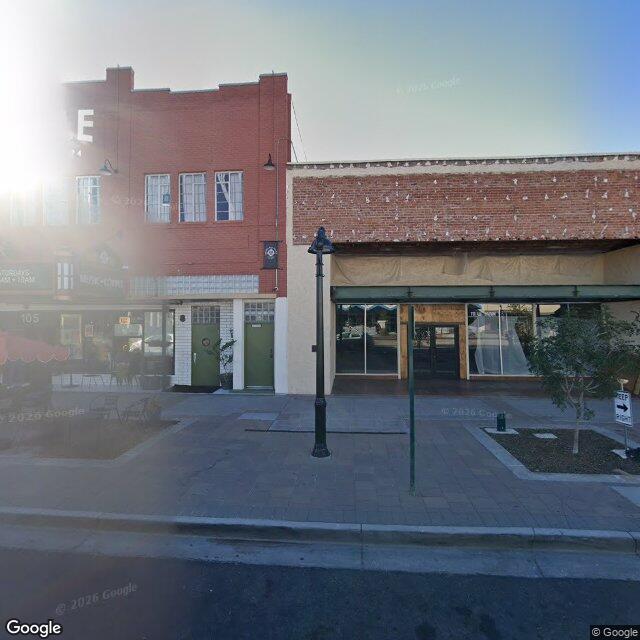
Mesa just green-lit a downtown restaurant and food business incubator at 111 West Main Street, and this matters more than it sounds on the surface. The city approved a lease agreement to operate and program the space, signaling real commitment to activating the core downtown corridor where property values have been stuck in neutral for years. If you own commercial real estate downtown or are thinking about buying into that ZIP, this is the kind of anchor tenant that changes neighborhood momentum.
What Actually Happened
Mesa City Council approved Resolution No. 12545 authorizing the City Manager to enter into a Lease Agreement to operate, manage, and program a downtown restaurant and food business incubator at the city-owned property located at 111 West Main Street in District 4. The approval signals the city is willing to put municipal resources behind food and beverage as a downtown revitalization tool.
This isn't just a restaurant opening. An incubator model means the city is actively supporting multiple food businesses, likely with shared kitchen space, mentorship, and a pipeline to permanent brick-and-mortar locations. That's a meaningful shift from passive landlord to active economic development player.
Why This Matters for Downtown Mesa
Downtown Mesa has been treading water. You've got the light rail station, the Main Street streetscape improvements, and the arts corridor, but foot traffic hasn't materialized at the scale city planners hoped for. Food and beverage is the proven lever for downtown activation. It brings repeat daily traffic, extends stay time, and creates the casual gathering spaces that make a downtown feel alive instead of just functional.
The incubator model is smart because it de-risks individual restaurant failure. New food concepts fail at brutal rates. But if the city is co-managing the space and rotating concepts through, you get continuous programming, multiple revenue streams, and a reason for people to keep coming back to check what's new.
111 West Main Street sits in the heart of the downtown core, walkable to the light rail platform and the existing restaurant cluster on Main Street. If this incubator works, it creates a proof-of-concept that downtown Mesa can support food-forward development, which opens the door for private investment in adjacent parcels.
What This Means for Mesa Homeowners and Investors
If you own residential property in downtown Mesa or the adjacent neighborhoods (Uptown, the arts district), this is a tailwind. Walkable food options are one of the top factors driving urban residential values. Young professionals and empty-nesters are willing to pay premiums for neighborhoods where they can walk to dinner.
For commercial property owners, the signal is even clearer: the city is betting on downtown. When a municipality puts its own capital and operational bandwidth behind a property, it's a vote of confidence that filters into private sector decisions. You're likely to see more restaurant and retail interest in the surrounding blocks over the next 18 to 24 months.
The timing also matters. Mesa's light rail funding structure was recently reaffirmed through a funding agreement with Valley Metro Rail, Inc., ensuring that transit infrastructure stays in place. Transit plus food and beverage is the formula that works. You don't get downtown revitalization without both.
The Incubator Model: Why It Works
Food business incubators have proven track records in cities like Denver, Austin, and Portland. They work because they solve the chicken-and-egg problem: entrepreneurs have great concepts but lack capital and kitchen infrastructure to launch. Cities get community benefit and tax base growth without the risk of subsidizing a single failing restaurant.
For Mesa, the incubator also serves a strategic purpose. It allows the city to test what types of food concepts resonate with the downtown demographic before those concepts scale into permanent locations. That data then informs zoning and permitting decisions for future restaurant development in the corridor.
What to Watch Next
The incubator's success will hinge on execution. Operational details matter: hours of operation, concept diversity, marketing budget, and how aggressively the city recruits entrepreneurs. If the space sits half-full with mediocre concepts, it won't move the needle. If it's buzzing with rotating food pop-ups, cooking classes, and community events, it becomes a destination.
Also watch for spillover. If the 111 West Main incubator gains traction, expect private developers to pitch mixed-use projects in the surrounding blocks that bundle residential, office, and food service. That's when you'll see real property value movement.
The District 4 designation also matters. This is Council Member Kevin Lloyd's district, and downtown activation is a priority for his constituents and his political agenda. Expect continued municipal support for complementary projects in the same corridor over the next budget cycle.
What to Do Next
-
Check the Mesa City Legistar page for Legislation File 26-0558 to read the full lease terms and operating agreement once they're posted publicly. The specifics on revenue-sharing and operational control will tell you how serious the city is about making this work.
-
If you own commercial property downtown, schedule a consultation with a Mesa real estate advisor to assess how this incubator affects your property's positioning and tenant prospects. Book a 15-minute call with a licensed Arizona Realtor to discuss your specific situation.
-
Walk the corridor yourself. Visit 111 West Main Street and the surrounding blocks. Note which properties are vacant, which are underutilized, and where foot traffic already concentrates. That's where the next private development will land.
-
If you're considering a downtown Mesa purchase or investment, pull the most recent commercial lease comps and sales for the Main Street corridor. The incubator approval just shifted the risk profile for that area. Use MesaHomes.com's area guides to track comparable properties and market trends in the downtown zone.
This is educational content, not legal advice. Consult a licensed Arizona Realtor for your specific situation.
Sources
Talk to a Local Agent
Get matched with an agent who knows your target area.