
Why Mesa's Historic Farm Zoning Still Shapes Your Neighborhood Today
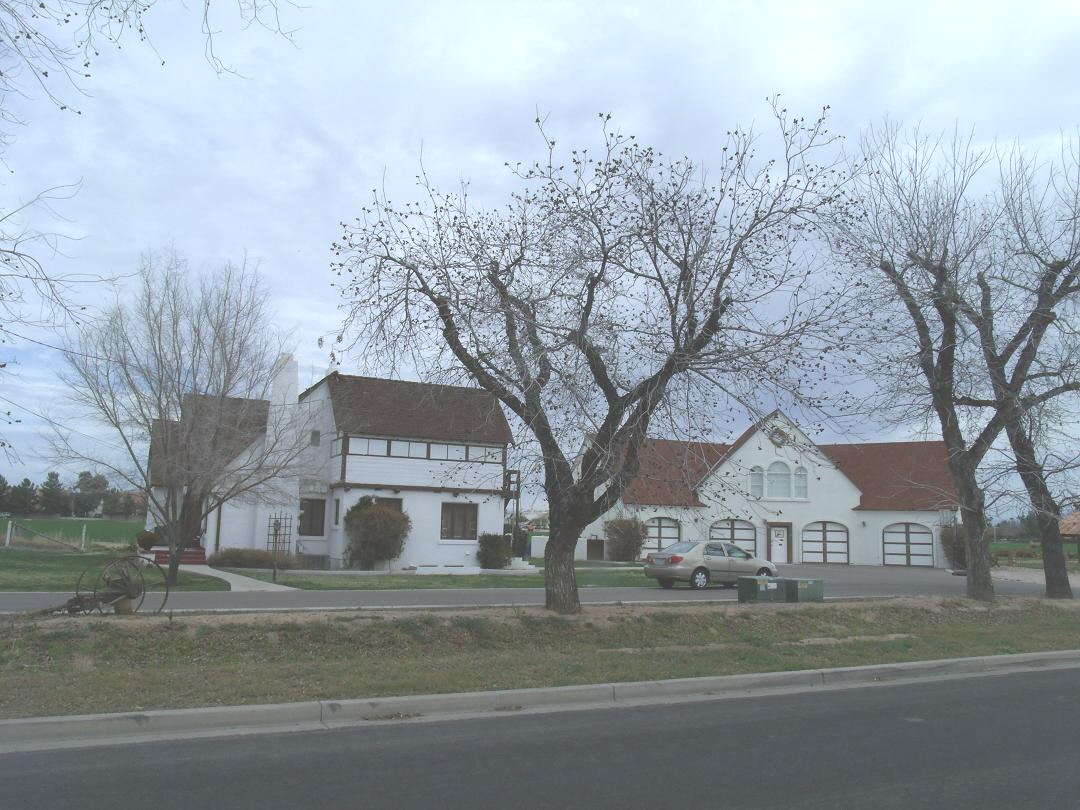
The Fitch Farm House, built in 1933-34 by Larkin Fitch, sat on over 400 acres of raw land along North Center Street when Mesa was still mostly agricultural. Today, that same corridor is a patchwork of residential subdivisions, commercial strips, and industrial zones. Understanding how that farm became your neighborhood is the key to understanding why certain blocks are zoned the way they are, and what that means for your home's future.
The 400-Acre Farm That Became Modern Mesa
The Fitch Farm House, documented in Mesa's Historic Properties Registry, represents a critical inflection point in Mesa's development. When Larkin Fitch built his farmhouse in the early 1930s, North Center Street was the edge of town. The farm itself operated as agricultural land, the kind of property that defined the East Valley before suburbanization.
What matters now is what happened next. That 400-acre footprint didn't stay a farm. Over decades, it was subdivided, rezoned, and developed into the mixed-use corridor you see today. Some parcels became single-family residential. Others were zoned commercial or light industrial. A few stayed as scattered open space or low-density zones.
This wasn't random. It was the result of specific zoning decisions made by Mesa's planning and city councils as the farm was sold off in pieces. Each decision locked in a use pattern that still governs what can and cannot happen on those properties today.
Why Zoning Decisions Made 20-30 Years Ago Still Constrain You
If you own a home on a parcel that was part of the old Fitch Farm corridor, your zoning was almost certainly set during the 1990s or 2000s, when Mesa was actively converting agricultural land to suburban use. That zoning is now effectively permanent unless you go through a formal rezone process, which requires planning board approval and often neighborhood opposition.
Here's the real implication: if your lot is zoned single-family residential, you cannot legally operate a home-based business, build a duplex, or add a rental unit, even if the market would support it and your neighbors wouldn't object. Conversely, if your parcel sits in a commercial zone left over from earlier decisions, you may have commercial neighbors or future commercial development nearby, even if the immediate area feels residential.
The Fitch Farm corridor is a textbook example. Some blocks became established suburban neighborhoods with deed restrictions and HOAs. Others remained commercial or industrial zones, creating a fragmented landscape where residential and commercial uses sit side by side. This wasn't inevitable. It was the product of zoning decisions made decades ago that are still binding today.
What This Means for Mesa Homeowners
If you're buying or selling in the North Center Street corridor or anywhere that was part of the old Fitch Farm footprint, your zoning history matters in three concrete ways.
First, your property's zoning determines its highest and best use. A home zoned single-family residential is worth less to a developer than the same square footage zoned commercial or mixed-use. If you're thinking about selling to someone other than a homebuyer, zoning is the first thing a commercial buyer will check.
Second, zoning affects your neighbor risk. If your home is adjacent to a commercial or industrial zone, there's a real possibility of future commercial or industrial development on that adjacent parcel. You cannot prevent it if the zoning already allows it. You can only plan for it. That affects your long-term property value and your quality of life.
Third, if you want to change your property's use, you need to know whether a rezone is even possible. Some parcels are in zones that are unlikely to change because they're already built out and stable. Others are in transition zones where rezoning happens regularly. Mesa's Historic Properties Registry and Maricopa County parcel records will tell you the current zoning, but you need a licensed Realtor or planner to interpret what future changes are realistic.
The Fitch Farm Legacy: Mixed-Use Chaos or Organic Complexity?
The honest answer is both. The fragmented zoning of the old Fitch Farm corridor reflects the reality of how American suburbs grew: not according to a master plan, but in response to market demand, individual landowner decisions, and incremental city council approvals. Some of that fragmentation has created problems. Some of it has created character and economic diversity.
North Center Street today is neither fully residential nor fully commercial. It's a working corridor with pockets of stable neighborhoods, retail clusters, and light industrial uses. That's partly because the Fitch Farm was subdivided and rezoned piecemeal over 30 years. It's not the cleanest outcome from a planning perspective, but it's the reality you're buying into if you're looking at properties in that area.
The takeaway for you as a homeowner or buyer: the zoning you see today is the result of specific historical decisions. It's not arbitrary, but it often feels that way because those decisions were made decades ago and the reasoning behind them isn't always documented or obvious. Understanding that history helps you understand your zoning, and understanding your zoning helps you make better decisions about whether to buy, sell, or hold.
What to do next
-
Check your parcel's current zoning by searching Maricopa County parcel records at assessor.maricopa.gov using your address. Write down the zoning code (e.g., "R1-6", "C2", "M1") and cross-reference it with Mesa's zoning ordinance to understand what uses are allowed.
-
If you're considering a purchase in the North Center Street corridor or another area with mixed zoning, book a 15-minute consultation with a licensed Arizona Realtor to discuss what future development or zoning changes are realistic for your specific parcel and neighborhood.
-
Review Mesa's Historic Properties Registry if your home or a property you're considering is in an older area. Knowing the land's history often explains the zoning you see today.
This is educational content, not legal advice. Consult a licensed Arizona Realtor or planning attorney for your specific zoning situation or rezone questions.
Talk to a Local Agent
Get matched with an agent who knows your target area.