
Arizona Cities Demand Water Answers: What Mesa Homeowners Should Know
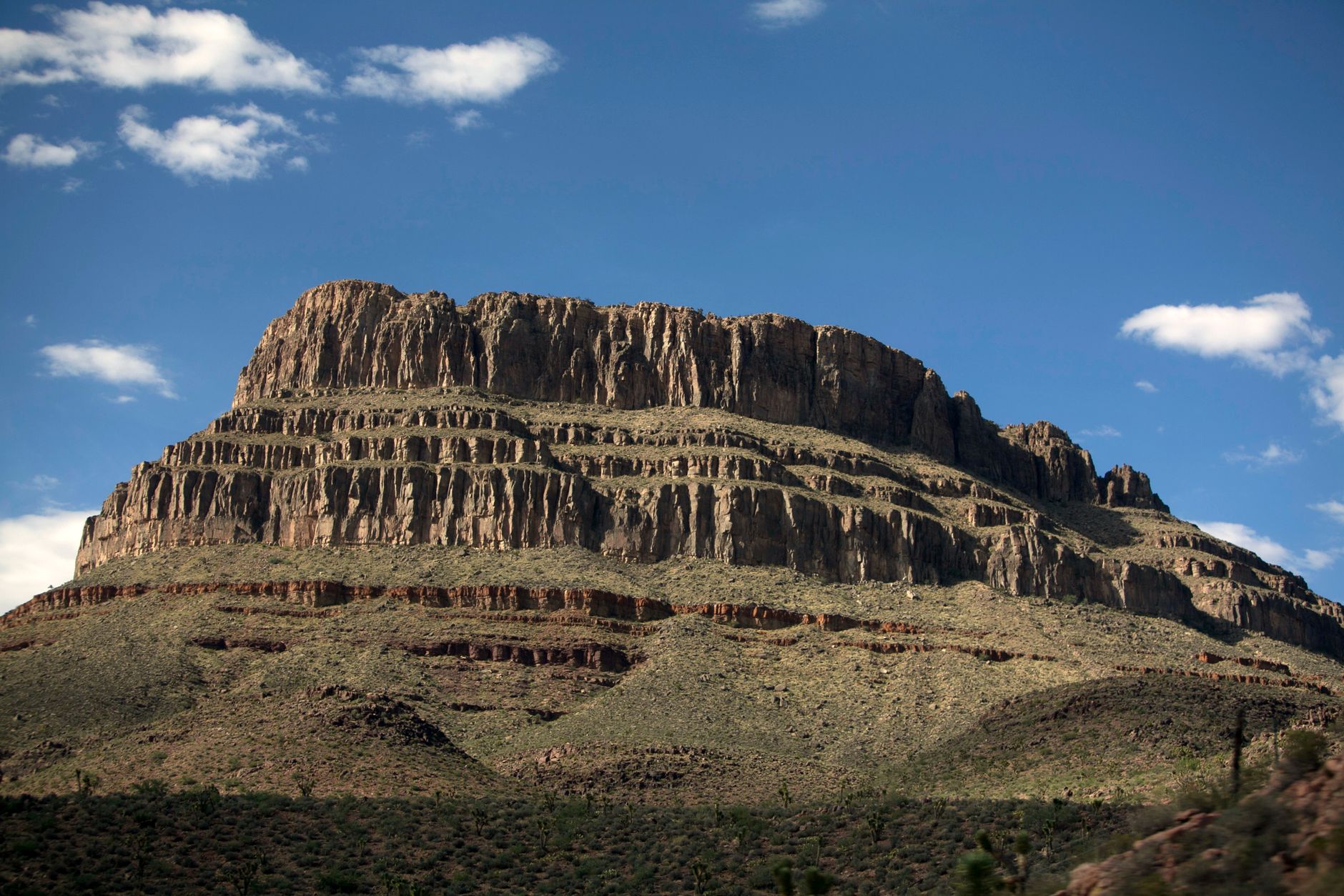
Phoenix-area cities including Mesa are demanding transparency from the Arizona Water Banking Authority about how much Colorado River water they can withdraw from underground storage accounts. The standoff is heating up because cities have been banking excess water for years but now face restrictions on pulling it back out, and nobody's telling them the real numbers.
This matters to you because water availability directly affects property values, development capacity, and long-term affordability in Mesa. If cities can't access their stored reserves, developers face tighter water allocations, which slows new construction and can push prices up on existing homes.
The Water Banking Standoff
Mesa and other Valley cities have been storing surplus Colorado River water underground through the Arizona Water Banking Authority for years, treating it like a savings account. The idea was simple: bank water in wet years, draw it down in dry years. But now the Authority is restricting withdrawals, and Phoenix-area cities say they're getting stonewalled on how much they can actually take out.
The timing is brutal. Lake Mead and Lake Powell are still recovering from the megadrought. Arizona's share of Colorado River water is already cut. Cities are caught between federal restrictions, state law, and the Authority's opaque accounting. Mesa's leadership is pushing hard for answers, but the Authority hasn't been forthcoming with specifics about account balances or withdrawal caps.
What This Means for Mesa Homeowners
Water constraints ripple through real estate in three ways:
Development Slowdown: New subdivisions need water allocations. If Mesa can't access its banked reserves, the city has fewer gallons to assign to new projects. Fewer new homes mean less downward pressure on prices. If you're selling, that's good. If you're buying, it's not.
Existing Home Premiums: Older, established neighborhoods with locked-in water service agreements become more valuable relative to new construction. A home in a 1990s subdivision with guaranteed water access becomes a safer bet than a spec house in a new development that might face rationing.
Rental Market Pressure: Rental properties depend on stable water costs. If the city raises water rates to cover scarcity, landlords pass costs to tenants. That pushes renters into the for-sale market, competing with owner-occupants and driving up prices.
Why the Authority Is Holding Back
The Arizona Water Banking Authority isn't being difficult for fun. The legal framework around Colorado River water is a minefield. Federal law, interstate compacts, and state statutes all intersect. If the Authority releases too much water to Mesa and other cities, it risks violating agreements with California and Nevada, which could trigger federal penalties.
Mesa's water managers understand this. What they're asking for is clarity, not necessarily a blank check. They want the Authority to publish account balances, explain the methodology for calculating withdrawal limits, and give cities a realistic timeline for accessing reserves. Right now, Phoenix-area cities are essentially being told "no" without a clear explanation of why or for how long.
The Bigger Picture
This dispute is part of a larger reckoning in Arizona. The state's water supply has been managed as if the Colorado River would always flow at historical averages. It won't. The megadrought is the new normal. Every city in the Valley is scrambling to diversify water sources, recycle more effluent, and renegotiate storage agreements.
Mesa's position is actually stronger than some Valley cities because the city has invested in water infrastructure and conservation programs for decades. But even that's not enough if the Authority locks down access to stored reserves.
What to Do Next
If you're a homeowner or investor in Mesa, here's what to monitor:
-
Track the negotiations: Watch Mesa City Council meetings and press releases. The city publishes water policy updates on its official site. When the Authority releases account balances or new withdrawal guidelines, it will affect development permits and water rates.
-
Check your property's water rights: If you own land or are considering a purchase, ask your Realtor to verify that the property has a confirmed water allocation from the city. Properties with senior water rights or long-term service agreements are more insulated from future restrictions. You can request this information from the City of Mesa Water Services Department.
-
Review your water bill and rate trends: Mesa publishes water rate schedules annually. If you see increases coming, it's often a signal that the city is bracing for tighter supplies. Lock in your mortgage and refinance plans accordingly.
-
Consult a local Realtor on market timing: If you're considering selling, the next 12 months may be a favorable window before water restrictions tighten further and slow new construction. Book a 15-minute consultation with a licensed Arizona Realtor to discuss your specific property and market conditions in your ZIP code.
-
Estimate your home's current value: Use our free home value tool to see where your property stands today. Water policy shifts can affect valuations, so having a baseline now is smart.
The Colorado River water crisis isn't a headline that disappears. It's the operating constraint for the next decade. Mesa homeowners who understand the stakes and plan accordingly will make better decisions than those who assume water will always be available.
This is educational content, not legal advice. Consult a licensed Arizona Realtor for your specific situation.
Talk to a Local Agent
Get matched with an agent who knows your target area.