
FAA Flight Paths Could Cut $1.8B From Valley Home Values
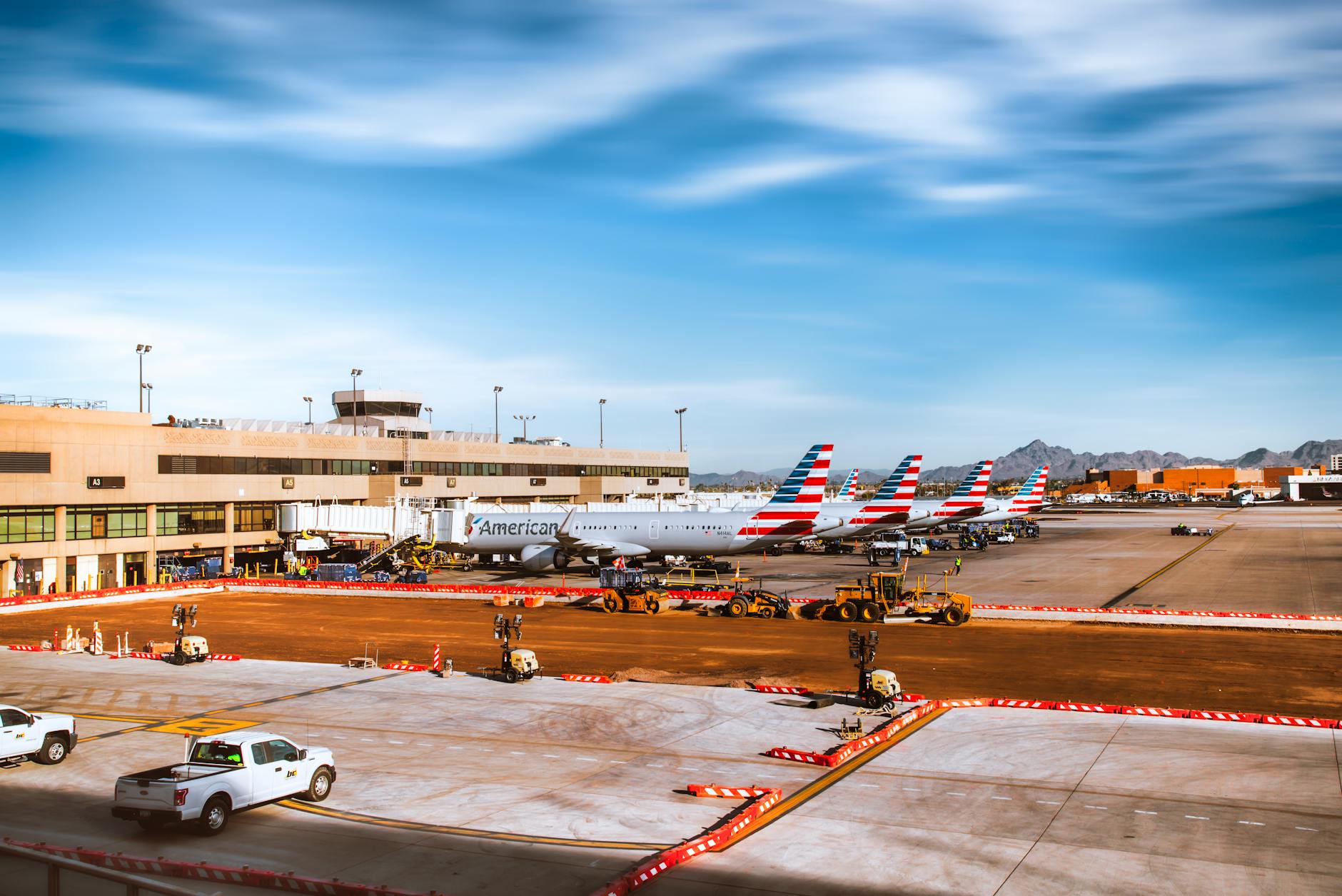
The FAA is considering flight path changes that could tank Phoenix-area home values by up to $1.8 billion, according to a new report. If you own property in Mesa, Gilbert, Chandler, or anywhere in the East Valley, this matters more than you think, because the noise footprint would expand significantly over residential areas that have been relatively quiet for years.
New FAA flight path proposals could bring more aircraft noise over Valley neighborhoods, and the economic hit would be real. A $1.8 billion loss isn't abstract—it translates to individual properties losing tens of thousands in equity, lower sale prices, and reduced buyer interest in affected ZIP codes.
What the Report Actually Says
The analysis projects that expanded flight corridors would depress property values across a wider swath of the Phoenix metro area. The $1.8 billion figure represents cumulative losses across all affected properties, but that doesn't mean every home loses the same amount. Properties directly under new flight paths—especially those that currently sit outside the noise contour—stand to lose the most.
For Mesa specifically, the concern centers on east-west corridors that would route traffic over neighborhoods from Power Road to the Superstition Mountains. Chandler and Gilbert face similar risks, with flight paths potentially crossing over established residential areas in the 85224, 85225, and 85248 ZIP codes.
The timing matters too. The FAA hasn't finalized these changes, but the proposal is real enough that it's already circulating among aviation consultants and real estate professionals who track infrastructure risk. If you're planning to sell in the next 2-3 years, you need to know whether your property sits in the proposed noise footprint.
Why Mesa Homes Are Exposed
Mesa's geography makes it vulnerable. The city sits directly east of Phoenix Sky Harbor International Airport, and it's also home to Mesa Gateway Airport, a growing cargo and commercial hub. Any FAA rerouting that increases traffic to either facility—or changes the angles at which planes approach or depart—ripples directly over residential neighborhoods.
The East Valley has absorbed enormous population growth over the past decade. Subdivisions like Eastmark, Cadence, and newer areas in Queen Creek have brought thousands of families into corridors that were mostly agricultural or undeveloped 15 years ago. Many of these homeowners chose those areas partly because they weren't under the primary flight paths. A change to that calculus hits them hard.
Aircraft noise doesn't just affect quality of life. It affects appraisals. Lenders factor noise exposure into property valuations. Buyers research flight paths before making offers. Schools in high-noise areas sometimes struggle with enrollment. The $1.8 billion loss isn't speculative—it's based on how the market actually prices noise risk.
What This Means for Mesa Homeowners
If you're selling soon, you need to know your property's noise exposure right now. If your home is currently outside the flight path but the new proposal would bring it inside, you're at risk of a lower appraisal, fewer qualified buyers, or a longer time on market. Conversely, if you're buying, you should factor in the possibility that a property you're considering could become noisier in 18-24 months.
For sellers, this creates a narrow window. If the FAA finalizes these changes, properties in the new noise footprint will reprrice downward. Selling before that happens protects your equity. If you're in an affected area—check the proposed flight corridors against your address—getting your home on the market in the next 60-90 days makes sense.
For buyers, the inverse applies. Waiting to see whether the FAA actually implements these changes is risky. If they do, you're buying into a property that will be worth less than what you paid. If you're dead-set on a particular neighborhood, lock in a price now while the market hasn't yet priced in the noise risk.
Refinancers should also pay attention. If your property moves into a noise contour, your home's appraised value could drop, which affects how much equity you can pull out via a cash-out refi or HELOC.
The Timeline and Next Steps
The FAA proposal is still in the review phase. Public comment periods typically last 30-60 days, and the agency usually takes another 6-12 months to finalize changes. That means you have a window—maybe 90 to 180 days—to decide whether to act before the market reprices.
The most important first step is figuring out whether your property sits in the proposed noise footprint. The FAA publishes draft flight path maps and noise contour data, though they can be hard to interpret without help. A local real estate professional who tracks infrastructure issues can pull this information and tell you exactly where your property stands.
If you're in an affected area, get your home professionally appraised now. Document the current value while the market hasn't yet factored in the noise risk. That gives you a baseline to compare against if the FAA finalizes the changes.
What to do next
- Check whether your Mesa, Gilbert, or Chandler address sits in the proposed FAA flight path. Contact a licensed Arizona Realtor who tracks infrastructure risk—book a 15-minute consultation to discuss your property's exposure and timeline.
- If you're selling, run a free home value estimate for your ZIP code at MesaHomes.com home value tool to establish your current market position.
- Read the full AZFamily report on the FAA flight path proposal to understand the $1.8 billion impact and which neighborhoods are most exposed: Report: New flight paths could drop Phoenix-area home values up to $1.8 billion.
- If you're considering a sale, use the MesaHomes net sheet calculator to understand your actual proceeds before the market reprices.
This is educational content, not legal advice. Consult a licensed Arizona Realtor for your specific situation.
Talk to a Local Agent
Get matched with an agent who knows your target area.